

Nov 17th 2025
Tips for Leveling Soil With a Smooth Bucket at Home
A perfectly level surface is the foundation of any successful landscaping or construction project. Whether you are laying a new lawn, preparing a base for a patio, or building a shed, uneven ground can cause significant problems. Fortunately, you can achieve a professional-grade finish at home using a skid steer with a smooth bucket attachment. With the right technique, this powerful tool makes quick work of grading and leveling soil.
Achieving a smooth, even surface involves understanding your equipment, preparing the area correctly, and using specific methods to move and spread the soil effectively. This process ensures proper drainage and a stable base for whatever you plan to build or plant. Mastering these techniques will help you save time, reduce manual labor, and get the results you want for your next home project.
These tips for leveling soil with a smooth bucket at home will help you produce a quality result every time.
Prepare the Work Area for Leveling
Before you start the engine, walk through the area you plan to level. Remove any large rocks, tree stumps, branches, or other debris that could obstruct the bucket or create uneven spots. You should also identify and mark any utility lines, sprinkler heads, or septic systems to avoid costly damage. Taking a few minutes to clear and inspect the site creates a safer and more efficient working environment.
Assess the High and Low Spots
To level an area effectively, you first need to understand its existing topography. Identify the high spots, which are the areas with excess soil, and the low spots, which need to be filled. You can use a string line and a level or a laser level to get a precise reading of the grade. This initial assessment helps you plan where to remove soil from and where to deposit it, minimizing unnecessary work and ensuring a balanced result.
Start by Removing Soil From High Areas
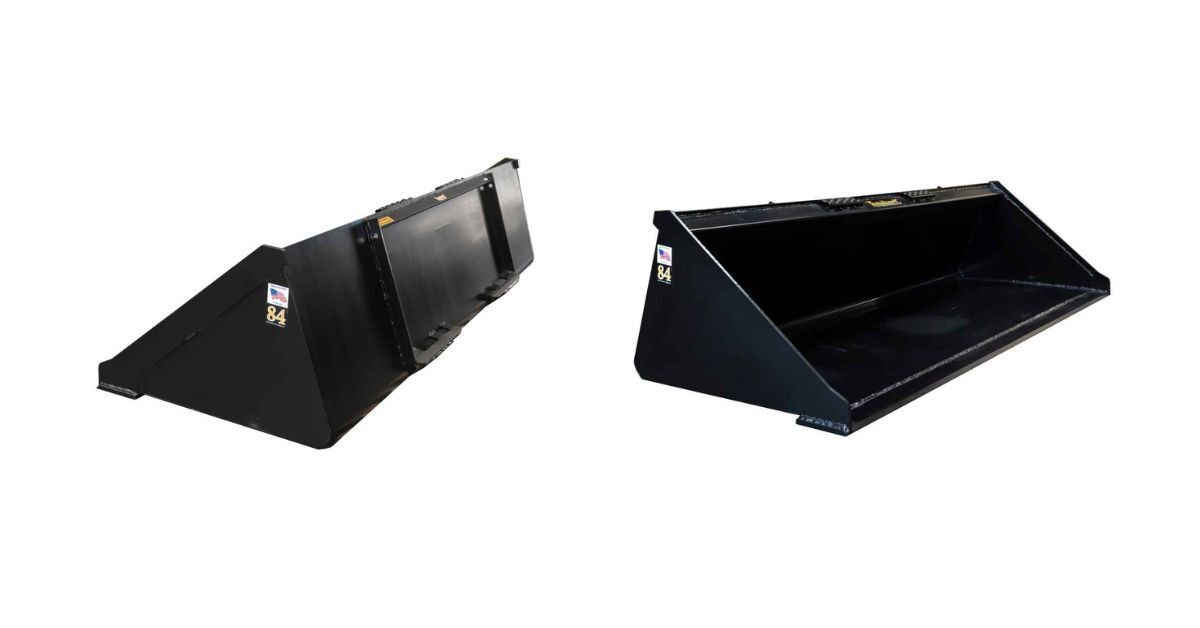
Begin your leveling work by focusing on the high spots you identified. Position your skid steer and lower the smooth bucket so the cutting edge is just skimming the ground. Drive forward slowly, allowing the bucket to shave off the excess soil. Avoid digging too deep on your first pass and only remove small layers of dirt at a time. This approach gives you greater control and prevents you from accidentally creating new low spots.
Fill in the Low Areas With Excess Soil
Once you have collected soil from the high areas, move it to the low spots. As you approach a low area, slightly raise the bucket and tilt it forward to dump the soil evenly. Spread the material as you go to avoid creating large mounds that you will have to level later. Distribute the soil from different angles to ensure the depression is filled uniformly. Continue this process of cutting from high spots and filling low spots until the entire area is roughly even.
Use the Back-Drag Technique for a Smooth Finish
One of the most effective tips for leveling soil with a smooth bucket at home is mastering the back-drag technique. After you have distributed the soil, this method creates a smooth, professional-looking surface. To perform a back-drag:
- Position the bucket at the far end of the area you are leveling.
- Tilt the bucket forward so the bottom is almost parallel to the ground.
- Lower the bucket until its cutting edge lightly touches the soil.
- Reverse the skid steer slowly, dragging the bucket backward across the surface.
This action pulls loose soil into small gaps and smooths out any bumps or ridges left from the initial grading. The weight of the bucket helps compact the soil slightly, creating a firm and even plane.
Keep the Bucket Level During Passes
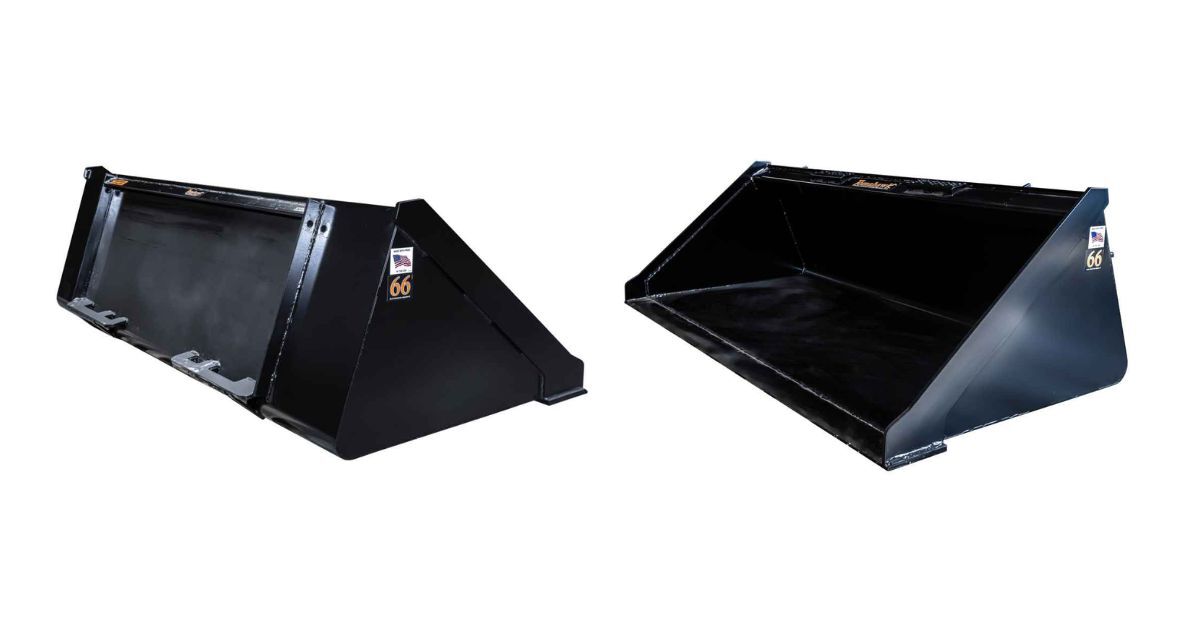
Maintaining a level bucket is crucial for achieving a uniform surface. Pay close attention to the angle of your attachment as you drive forward and backward. Many skid steers have a bucket level indicator to help with this. If your machine lacks one, keep your eye on the top edge of the bucket and compare it to the horizon or another level reference point. Consistent bucket positioning ensures that each pass contributes to a smoother, flatter final grade.
Overlap Your Passes for Consistent Results
To avoid creating ridges or uneven lines in the soil, overlap each pass you make with the skid steer. Whether you are cutting, filling, or back-dragging, ensure that each new path slightly covers the previous one by about one-third of the bucket's width. This technique helps blend the sections together seamlessly and produces a more consistent and professional-looking finish across the entire work area.
Work in Different Directions
Working the soil in only one direction can sometimes create subtle patterns or waves in the grade. To counteract this, change your direction of travel periodically. After making several passes in one direction, switch to a perpendicular or diagonal pattern. This crisscross approach helps further distribute the soil, breaks up any emerging patterns, and refines the levelness of the surface.
Check Your Work Frequently
Step out of the cab and check your progress often. Inspect the surface from different angles. Frequent checks allow you to make minor adjustments, ensuring the final grade meets your project's requirements.
Let the Soil Settle Before Final Grading
If you have moved a significant amount of soil, it may need time to settle. Moisture can help this process along, so lightly watering the area can speed up compaction. Allowing the soil to settle for a day or two can reveal new low spots as the dirt compacts. After the settling period, you can perform a final back-drag to create the perfectly smooth surface your project requires.
Find the Right Tools for the Job
Leveling soil with a smooth bucket is a skill that improves with practice. By preparing your site, working systematically, and using techniques like back-dragging, you can create a perfectly flat surface for any home project. Taking your time and checking your work frequently will lead to a professional-quality result.
When you need reliable attachments for your next project, explore the selection of skid steer buckets at Tomahawk Attachments. Our high-quality, American-made attachments are designed to fit most makes and models.