
Feb 4th 2026
Smooth Buckets vs Tooth Buckets: Which Works Better?
Selecting the right attachment for your skid steer or excavator determines the efficiency, speed, and overall success of your construction project. While the machinery itself provides the power, the bucket dictates how effectively you apply that power to the ground. Operators often debate whether smooth buckets vs tooth buckets work better for specific tasks, but the answer relies entirely on the ground conditions and the desired finish.
Understanding the Smooth Bucket
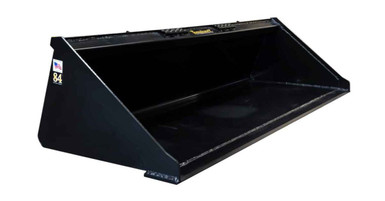
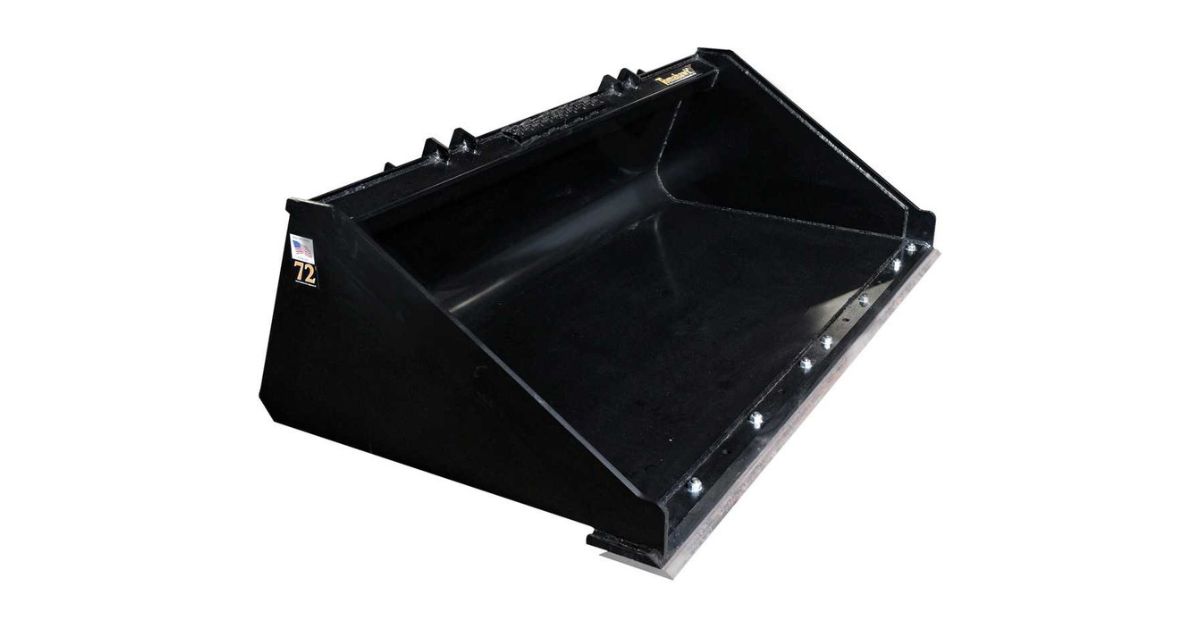
A smooth bucket, often referred to as a grading or cleanup bucket, features a straight, flat cutting edge without any protruding teeth. This design choice prioritizes precision and surface area over aggressive penetration. Manufacturers typically weld a straight piece of hardened steel across the front, which allows the operator to glide over surfaces evenly.
Best Applications for Smooth Buckets
Smooth buckets excel in tasks that require a polished finish. Landscapers rely on them for grading soil because the flat edge levels the ground effectively without leaving deep grooves or furrows. If the job involves back-dragging to smooth out a driveway or prepare a seedbed, this attachment provides superior control. The flat edge acts like a squeegee against the ground, pulling loose material backward to fill low spots and create a uniform surface.
Handling loose materials is another primary strength of the smooth bucket. When moving sand, gravel, mulch, or snow, the straight edge allows the operator to scoop right down to the pavement or base layer without digging into it. This capability makes smooth buckets the standard choice for working on concrete or asphalt surfaces, where metal teeth would risk chipping or damaging the existing infrastructure.
The Benefits of a Straight Edge
The smooth bucket's main advantage is its versatility for general handling and finishing tasks. The absence of teeth allows the bucket to hold slightly more volume in certain configurations, as the material can slide in unobstructed. Furthermore, the smooth edge provides a cleaner dump of sticky materials like wet mud, which might otherwise cling between the shanks of a tooth bucket. For operators focusing on site cleanup or final grading, the smooth bucket offers unmatched efficiency.

The Power of the Tooth Bucket
Tooth buckets, or digging buckets, feature a series of metal teeth (shanks and points) spaced along the front cutting edge. These teeth act as the initial contact point with the ground, concentrating the machine's breakout force into smaller surface areas. This concentration of power allows the bucket to fracture and penetrate hard surfaces that a smooth blade would simply scrape over.
When To Choose a Tooth Bucket
You need a tooth bucket when the ground fights back. Projects involving compacted soil, heavy clay, shale, or rocky terrain demand the aggressive nature of a tooth bucket. The teeth pierce the surface crust, allowing the bucket to slice through the material underneath. Using a smooth bucket on hard-packed ground causes the machine to lose traction, increasing fuel consumption and straining the hydraulic system.
Operators primarily use tooth buckets for excavation. When digging trenches for utility lines or excavating foundations, the teeth help loosen roots and dislodge rocks that would otherwise stall progress. The gaps between the teeth also allow fine material to sift through during the initial dig, although this is less of a focus than the sheer penetrating power.
Efficiency in Tough Conditions
The structural design of a tooth bucket maximizes digging efficiency. By breaking up the material before it enters the bucket, the machine uses less energy to fill the attachment. This capability is vital in mining, quarrying, and heavy construction where speed and volume are critical. The teeth act like chisels, fracturing the earth and enabling the operator to pull a full load with every pass, even in challenging geological conditions.
Comparing Performance and Efficiency
Comparing these two attachments requires analyzing the specific resistance of the material you intend to move. In loose, sandy, or muddy environments, a smooth bucket performs efficiently because there is no hard surface to penetrate. The smooth edge creates a clean bottom in a trench or a flat pad for a building foundation. However, a smooth bucket on hardpan soil will "skate" over the surface. This forces the operator to apply excessive down pressure, which lifts the front wheels or tracks and reduces stability.
Conversely, a tooth bucket dominates in hard digging but fails at fine finishing. If you try to back-drag a driveway with a tooth bucket, you will leave distinct lines and ruts that require additional labor to fix. While you can grade with a tooth bucket by manipulating the angle, it requires a highly skilled operator and takes significantly longer than simply using the correct smooth attachment. From a fuel efficiency standpoint, using a tooth bucket in hard soil saves diesel because the machine works less to fill the bucket. Using that same bucket for cleanup, however, wastes fuel as the operator makes multiple passes to pick up the debris that falls through the teeth.
Environmental Impact and Cost Considerations
The choice of bucket also impacts the job site environment and long-term operating costs. Smooth buckets generally leave a site looking cleaner and disturb the sub-base less than their toothed counterparts. This is crucial for residential projects where preserving the underlying ground structure matters. However, smooth cutting edges eventually wear down and become rounded, which makes grading more difficult. Replacing a bolt-on cutting edge is a standard maintenance cost associated with these buckets.
Tooth buckets incur different maintenance expenses. The teeth take the brunt of the abuse and wear down over time. Fortunately, most modern buckets utilize replaceable teeth that knock out or unbolt, allowing for quick swaps without replacing the entire bucket edge. However, if an operator loses a tooth on a job site and it ends up in a crusher or a tire, the secondary costs can escalate quickly. From an environmental perspective, tooth buckets displace more soil structure, which might require additional compaction work later depending on the project requirements.
Making the Right Choice for Your Fleet
Deciding between these two essential tools comes down to the frequency of your tasks. If 90% of your work involves excavation and demolition, the tooth bucket should be your primary tool. If you primarily handle landscaping, snow removal, or material transport, the smooth bucket offers the necessary finesse. Many contractors find that owning both attachments is the only way to maintain peak efficiency across diverse job sites.
Tomahawk Attachments offers a comprehensive range of skid loader buckets designed to withstand the rigors of daily use. Whether you require the aggressive penetration of a heavy-duty tooth bucket or the refining capabilities of a grading bucket, we provide durable solutions. Our inventory helps you adapt to changing site conditions, ensuring you never have to question whether smooth buckets vs tooth buckets work better for your specific project needs. Equipping your machine with the correct Tomahawk bucket turns difficult labor into managed progress.