
Jan 6th 2026
Rock Bucket Care Tips for Long-Lasting Performance
A skid steer rock bucket is a vital tool for sifting debris, clearing land, and managing heavy materials on construction sites and farms. These attachments endure immense stress while separating rocks from soil or hauling jagged concrete, meaning they require consistent attention to remain effective. Neglecting this heavy-duty equipment leads to costly downtime and expensive repairs that you can easily avoid with a proactive routine. Implementing specific rock bucket care tips for long-lasting performance ensures your attachment handles the toughest jobs year after year without failing when you need it most.
The Importance of Regular Maintenance
Taking the time to maintain your equipment protects your financial investment. Skid steer attachments represent a significant cost for any business, and premature replacement eats directly into your profit margins. A well-maintained bucket lasts significantly longer than one left to rust or operate with structural damage. When you keep the steel in good condition, you extend the amortization period of the asset, giving you more value for every dollar spent.
Preventing Costly Downtime
Equipment failure rarely happens at a convenient time. A bucket usually breaks right when a deadline looms large. By sticking to a maintenance schedule, you catch minor issues before they become catastrophic failures. This proactive approach keeps your projects on schedule and prevents the scramble to find rental equipment or emergency repairs.
Ensuring Operator Safety
Safety on the job site relies heavily on the integrity of your equipment. A compromised rock bucket can drop loads unexpectedly or snap under pressure, putting the operator and bystanders at risk. Regular maintenance ensures that all structural components, welds, and connection points remain solid. A safe attachment allows operators to work with confidence and precision.
Daily Inspection Checklist
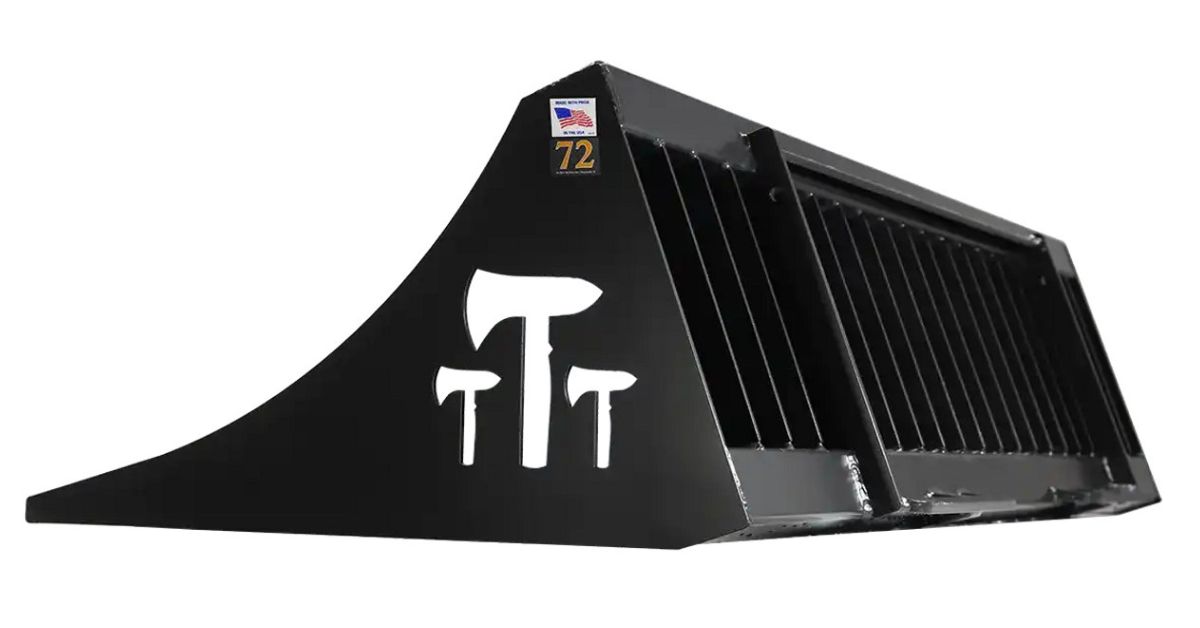
You must perform a visual inspection of your rock bucket before the start of every shift. Begin by walking around the attachment to look for any obvious signs of distress or damage. Check the tines for any bending or misalignment, as a single bent tine can affect the sifting ability of the entire bucket and create stress points that lead to snapping.
Scrutinizing the Welds
Pay close attention to the welds that hold the tines to the main frame and the side plates. Stress cracks often appear in the heat-affected zones near the welds. Finding a hairline crack early allows for a quick repair, whereas ignoring it leads to complete structural separation. You should also examine the cutting edge if your bucket has one, looking for excessive wear that might start eating into the bucket structure itself.
Checking the Mounting Plate
The mounting plate acts as the critical interface between your skid steer loader and the bucket. Inspect the quick-attach area for any debris buildup, cracks, or deformation. If the mounting plate is damaged, the bucket will not sit correctly, which causes excessive vibration and wear on the loader's pins. Ensure the locking levers engage fully and securely every time you couple the attachment.
Proper Cleaning Techniques
Allowing mud, clay, and corrosive materials to dry on your rock bucket accelerates wear and rust. Soil often traps moisture against the steel, creating an environment perfect for oxidation. You should make cleaning the bucket a standard part of your end-of-day protocol.
Removing Hardened Debris
Use a pressure washer to blast away caked-on mud and rocks from the tines and the corners of the bucket. If you do not have a pressure washer, a stiff brush and a hose will suffice. Pay special attention to the gaps between the tines and the rear of the bucket where material tends to pack tightly. Removing this weight reduces the strain on your machine during transport and storage.
Addressing Concrete and Asphalt
If you use the bucket for clearing concrete or asphalt, cleaning becomes even more urgent. Concrete dust is highly abrasive and corrosive. Wash the bucket thoroughly immediately after completing the job. Hardened concrete adds unnecessary weight and can alter the geometry of the sifting tines, making the bucket less efficient.
Greasing and Lubrication
While a standard rock bucket has fewer moving parts than a grapple bucket, lubrication remains a key factor in maintenance. Proper lubrication is essential because it reduces metal-on-metal friction, preventing premature wear and tear on your equipment.
Lubricating Pivot Points
If your rock bucket includes a grapple arm for securing uneven loads, you must grease the pivot points daily. Fresh grease pushes out contaminants like dirt and sand that act as sandpaper inside the bushings. Locate every grease fitting on the attachment and pump fresh grease in until you see clean grease pushing out from the joint. This ensures that the joint is fully lubricated and free of abrasive grit.
Protecting the Mounting Pins
Even on standard buckets without grapples, the mounting area requires attention. Apply a light coat of grease or heavy oil to the locking pins and the top rail of the mounting plate. This lubrication makes coupling and uncoupling the attachment smoother and reduces wear on the loader's locking mechanism. A well-lubricated mount prevents the frustration of a stuck bucket when you need to switch attachments quickly.
Repairing Common Issues
Despite your best efforts, heavy use eventually leads to wear and tear. Addressing repairs immediately prevents them from compromising the entire structural integrity of the bucket.
Addressing Structural Cracks
Small cracks in the steel or welds require immediate welding. Grind out the crack to remove any impurities and create a clean surface for the new weld. If you do not possess advanced welding skills, hire a professional. A poor weld effectively just covers up the problem rather than fixing the structural weakness. Reinforcing high-stress areas with gussets can also prevent future cracking in the same spot.
Fixing Bent Tines
A bent tine disrupts the sifting process and creates a weak point. Straightening a tine usually requires significant heat and hydraulic force. You must apply heat carefully to avoid weakening the steel's temper. If you find a tine bent beyond repair or cracked, cut it out and weld in a replacement. Keeping the tines straight ensures the bucket engages the ground evenly.
Storage Best Practices
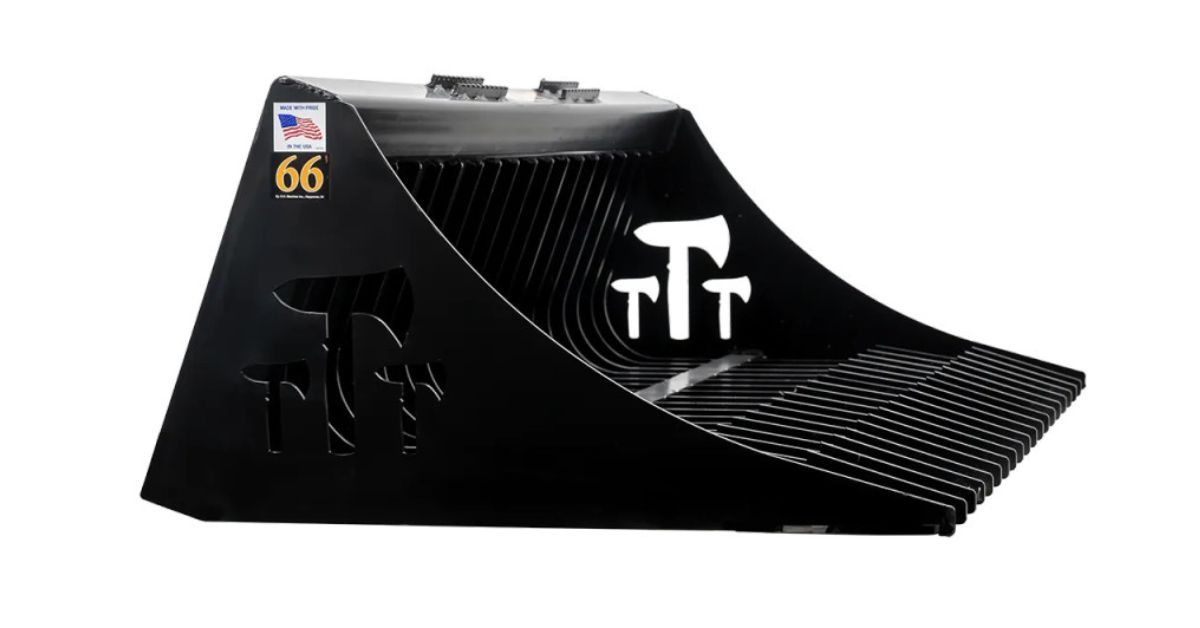
How you store the bucket when it is not in use impacts its lifespan just as much as how you use it. Leaving the attachment sitting directly on the ground invites moisture and rust.
Elevating the Attachment
Always store your rock bucket on a pallet, blocks, or a dedicated rack. Keeping it off the ground prevents ground moisture from wicking up into the steel. This also prevents the bucket from freezing to the ground in winter, which can cause damage when you try to lift it.
Applying Rust Inhibitors
If you plan to store the bucket for an extended period, such as over the winter season, coat the bare metal surfaces with a rust inhibitor or heavy oil. This protective barrier keeps oxygen and moisture away from the steel. Store the attachment in a dry, covered area to protect it from rain and snow.
Maximize the Life of Your Rock Bucket
These rock bucket care tips for long-lasting performance will save you money on replacements and keep your operations moving efficiently. However, when you eventually need to upgrade or replace your equipment, quality matters. Tomahawk Attachments offers high-durability skid steer rock buckets designed to withstand the most demanding environments, ensuring you have the reliable tools necessary to get the job done right. Browse our products to learn more.