
Jan 8th 2026
Mulch Bucket Tips for Landscaping Around Trees
Every landscaper understands that trees are the anchors of a beautiful property but maintaining them requires significantly more effort than just occasional pruning. Proper mulching is a critical component of tree health, yet moving yards of material by hand is back-breaking work that eats into profitability and stamina.
Utilizing heavy machinery attachments changes the game entirely by turning a multi-day chore into a streamlined operation. By following these mulch bucket tips for landscaping around trees, you can dramatically improve efficiency while ensuring the long-term vitality of your landscape.
Benefits of Mulching Around Trees
Mulch provides a protective barrier that shields tree roots from extreme environmental conditions. During the scorching heat of summer, a proper mulch layer keeps the soil cool and prevents rapid evaporation of essential moisture. In the winter, that same layer acts as an insulator, protecting the root system from hard freezes and minimizing the stress of the freeze-thaw cycle. This temperature regulation helps young trees establish themselves and allows mature trees to thrive without constant intervention.
Beyond temperature control, mulch suppresses weed germination. Weeds compete with trees for water and nutrients, often stunting growth in younger saplings. A thick layer of organic material blocks sunlight from reaching weed seeds, effectively stopping them before they start. Furthermore, as organic mulch breaks down over time, it improves soil structure and adds vital nutrients back into the earth. This decomposition process encourages earthworms and beneficial microbes to inhabit the soil, creating a rich, porous environment that promotes deep, healthy root growth.
Choosing the Right Mulch Material
Selecting the correct material determines the success of your landscaping project. Organic mulches, such as shredded bark, wood chips, and pine needles, decompose over time and improve the soil. Shredded hardwood bark knits together well, making it less likely to wash away during heavy rains or blow away in strong winds. This makes it an excellent choice for sloped areas or sites with significant exposure to the elements. Wood chips are slower to break down and offer a cleaner look, often preferred for commercial properties.
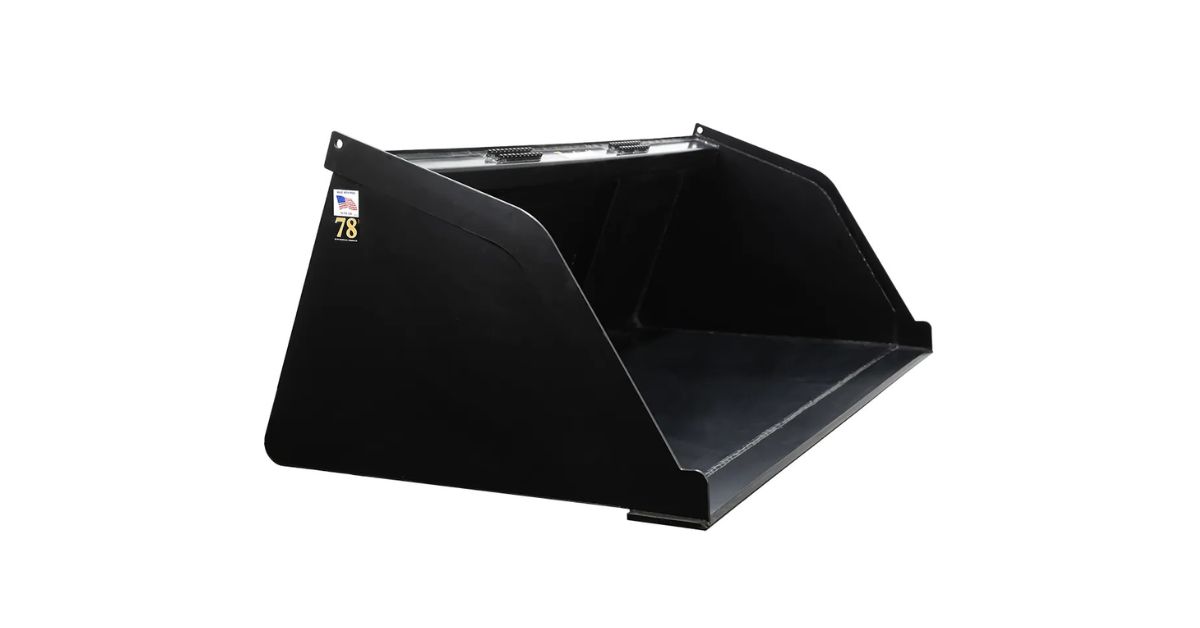
You must also consider the machinery you are using. A skid steer with a high-capacity bucket handles lighter materials like pine straw or dry wood chips with ease. However, if you choose heavier materials like river rock or wet, dense double-shredded mulch, you need to be mindful of the loader's tipping load.
Choosing mulch that aligns with both your aesthetic goals and the operational capacity of your equipment ensures a smooth workflow. Always inspect the quality of the mulch before purchasing. Avoid sour mulch, which smells like vinegar or rotten eggs, as the accumulated acetic acid can damage plant foliage and burn tender roots.
Step-By-Step Guide To Mulching With a Bucket
The process begins with preparing the area around the base of the tree. Remove any grass or weeds within the desired mulch ring radius. Ideally, you want to clear a circle that extends at least three feet from the trunk for small trees and out to the drip line for larger ones. Using a spade or an edging tool to cut a clean edge creates a professional separation between the turf and the mulch bed. This edge also acts as a small retaining wall that helps keep the material in place.
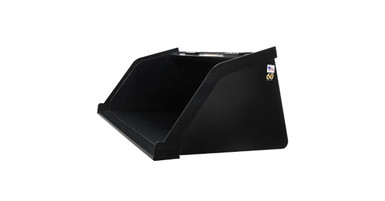
Once the ground is ready, load your skid steer bucket. Approach the mulch pile and drive into it with the bucket level to the ground. Curl the bucket back to scoop a full load, but be careful not to overload the machine, which can make it unstable during transport. Travel with the load low to the ground to maintain a low center of gravity. As you approach the tree, slow down significantly. Low visibility may hide obstacles, so watch your surroundings. Avoid bumping the trunk and do not drive heavy tires or tracks directly over the root zone to prevent soil compaction.
Deposit the mulch in small piles around the perimeter of the tree rather than dumping one massive mound against the trunk. Tilt the bucket slowly to control the flow of material. If your attachment has a side-discharge feature, this is the time to use it for precision placement. After the machinery has deposited the mulch, use a rake to spread the piles into an even layer. Aim for a depth of two to four inches. This depth provides all the benefits of moisture retention and weed suppression without suffocating the roots.
Common Mistakes To Avoid
The most prevalent error in tree landscaping is volcano mulching. This occurs when you pile mulch high against the tree trunk, resembling a volcano. This practice traps moisture against the bark, which causes it to rot and invites pests and diseases. The bark of a tree needs to breathe, and constant contact with wet mulch leads to decay that can eventually kill the tree. Always keep the mulch pulled back a few inches from the trunk flare, leaving the base of the tree exposed and dry.
Another frequent mistake involves applying a layer that is too thick. While two to four inches is beneficial, anything deeper than four inches can intercept water meant for the roots and reduce soil oxygen levels. Roots need oxygen to survive, and a suffocating layer of mulch forces them to grow into the mulch layer itself rather than the soil. These shallow roots are susceptible to drought and temperature stress. Furthermore, avoid using fresh wood chips right against plants. Fresh chips can temporarily deplete nitrogen from the soil as they begin to break down, which might yellow the leaves of younger trees.
Maintenance and Long-Term Care
Mulch breaks down and needs replenishment, but simply adding new material on top of old layers can lead to compaction. Before adding fresh mulch, rake the existing layer to break up any crust that has formed. This hydrophobic crust often develops on hardwood mulch and prevents water from penetrating the soil. Fluffing the old mulch restores its permeability and improves the appearance of the bed.
If the mulch depth has accumulated beyond four inches over the years, remove some of the old material before applying a fresh top dressing. This maintains the correct depth and prevents root suffocation. Use the skid steer bucket to scrape away excess material carefully if necessary or do this part by hand to avoid damaging surface roots. Regular monitoring of the mulch condition ensures that the environment remains conducive to tree health year-round.
Enhancing Tree Health With Proper Mulching
A properly mulched tree grows faster, looks better, and lives longer. By avoiding common pitfalls like volcano mulching and utilizing the power of your machinery effectively, you can achieve superior results. Implementing these mulch bucket tips for landscaping around trees will save time and enhance your outdoor space.
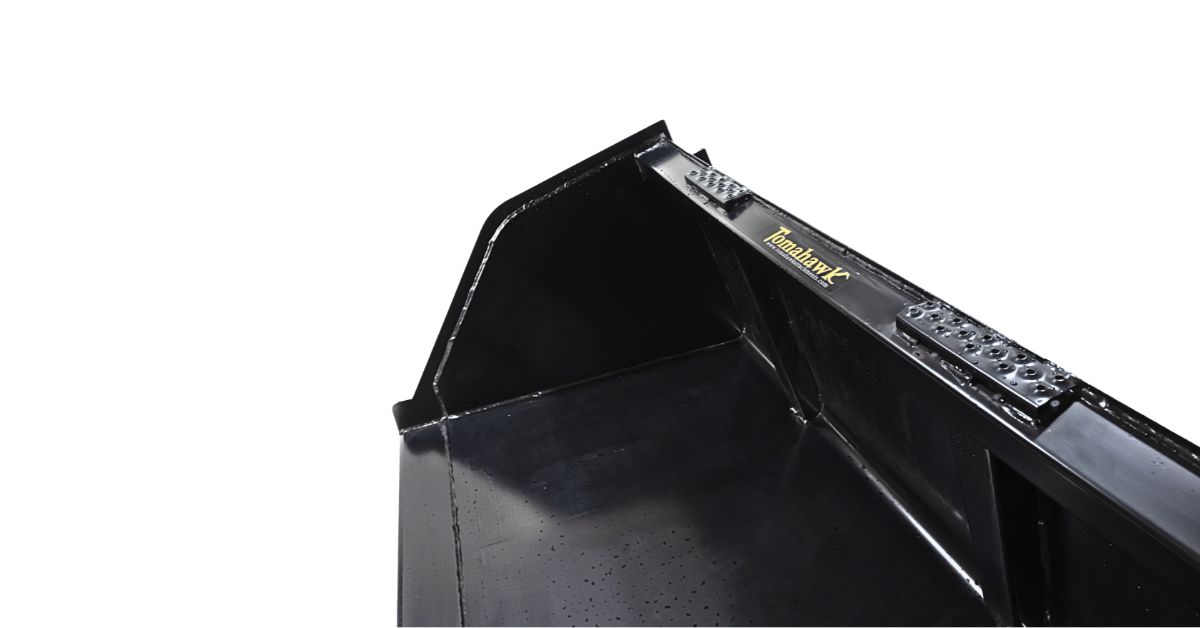
To maximize your efficiency on every project, consider how Tomahawk Attachments' mulch attachments for skid steers provide long-lasting performance and precision, helping you get the job done right. Browse our attachments to find the perfect solution for your landscaping needs.