
Feb 24th 2026
How To Spray Large Acreage Quickly and Effectively
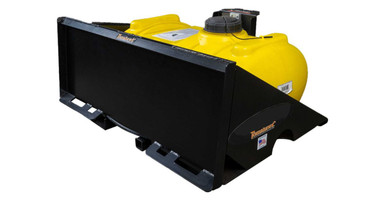
Managing weeds, applying fertilizer, or handling dust control across open ground requires a system that saves time without sacrificing coverage. Property owners and contractors constantly look for practical solutions that improve efficiency while maintaining accuracy. Knowing how to spray large acreage quickly and effectively can dramatically reduce labor hours and equipment strain while improving results. Skid steer sprayers provide the power, control, and versatility needed to cover serious ground with confidence.
Why Skid Steer Sprayers Excel on Large Properties
Skid steers already serve as one of the most versatile machines in land management. Adding a sprayer attachment turns that machine into a highly efficient liquid application system capable of covering pastures, fields, roadside areas, and commercial properties.
Unlike tow-behind sprayers, skid steer sprayers offer better maneuverability in tight or uneven areas. Operators can navigate fence lines, tree rows, ditches, and property edges without switching equipment. The ability to turn within a compact footprint reduces wasted movement and overlap.
Skid steer sprayers also provide improved stability compared to ATV or tractor-mounted units on rough terrain. The machine’s weight and traction help maintain consistent ground contact, which supports even spray distribution.
Selecting the Right Sprayer for the Job
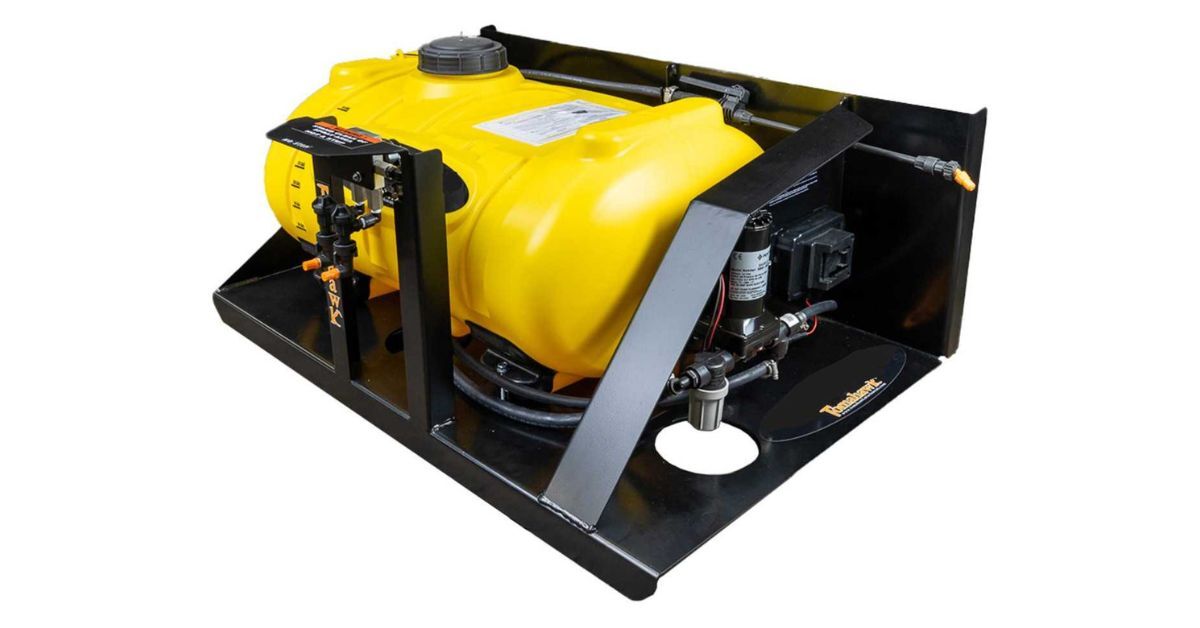
Before heading into the field, selecting the appropriate sprayer setup determines how efficiently the project moves forward. Tank capacity, boom width, pump type, and nozzle configuration all influence coverage speed and accuracy.
For large acreage, a higher-capacity tank minimizes refill downtime. Fewer stops mean more consistent workflow and better productivity during long application days. However, operators must balance tank size with machine lift capacity and terrain conditions.
Boom width directly impacts how quickly you can cover ground. Wider booms increase coverage per pass, but they require open terrain and careful control. In areas with obstacles or rolling ground, a moderate boom width may provide better overall efficiency by reducing adjustments.
Pump performance affects spray pressure and consistency. A quality pump maintains steady output across the entire boom, preventing uneven application. Consistency ensures chemicals or nutrients perform as intended across every acre.
Preparing Your Equipment for Maximum Efficiency
Efficient spraying starts before the engine turns on. Proper preparation reduces mistakes and prevents costly downtime in the field. Begin by calibrating the sprayer. Confirm flow rates, pressure settings, and nozzle output before heading into large acreage. Calibration ensures accurate application rates and eliminates guesswork.
Inspect hoses, fittings, and connections for leaks or wear. Even small leaks can waste product and reduce pressure consistency. Tight, clean connections protect performance throughout the job. Check filters and strainers to ensure clean flow. Clogged components reduce output and create uneven spray patterns. Clean systems maintain smooth operation from the first pass to the last.
Finally, verify that the skid steer itself is ready for extended operation. Check hydraulic connections, fluid levels, and tire or track condition to avoid interruptions during long spray sessions.
Planning the Application Strategy
Large acreage requires more than simply driving back and forth. A clear plan improves coverage speed and minimizes overlap or missed strips. Start by mapping the area visually or digitally. Identify obstacles, slopes, water features, and property boundaries. Planning a logical route reduces wasted passes and awkward repositioning.
Work in consistent patterns whenever possible. Straight, overlapping passes maintain even coverage while maximizing boom width. Avoid random driving patterns that create uneven application. Pay attention to wind direction. Spraying with consistent wind patterns reduces drift and helps maintain targeted application. Adjust travel direction when needed to keep spray within the intended zone.
Speed also plays a major role. Driving too fast can reduce penetration and create uneven coverage. Driving too slowly wastes time and may oversaturate areas. Maintain steady, controlled travel speed that aligns with calibrated application rates.
Managing Refills and Downtime
Refilling tanks slows productivity more than almost any other part of spraying large acreage. Strategic planning reduces downtime and keeps productivity high. Position refill stations as close to the spray zone as safely possible. Shorter refill trips save fuel and labor. When possible, use larger mixing containers or nurse tanks to streamline the process.
Prepare chemical mixes accurately the first time. Careful measuring eliminates delays caused by adjustments or corrections in the field. Keep measuring tools and protective gear organized and accessible. Staging everything before the job begins allows operators to move efficiently between spraying and refilling. Small organizational improvements add up significantly over dozens of acres.
Adjusting for Terrain and Conditions
Every property presents unique challenges. Terrain, vegetation density, and soil conditions affect spray effectiveness. On uneven ground, maintain consistent boom height. Excessive height increases drift, while low positioning may cause uneven coverage. Adjust gradually as terrain shifts.
In dense vegetation, ensure pressure and nozzle selection allow adequate penetration. Light surface coverage may not deliver results in thick growth. Matching equipment settings to field conditions ensures proper application. Monitor weather conditions throughout the day. Rising winds or changing temperatures can impact spray behavior. Making timely adjustments protects both productivity and performance.
Reducing Operator Fatigue During Large Jobs
Spraying large acreage often means long hours in the cab. Reducing fatigue helps maintain accuracy and safety. Keep controls simple and easy to reach. Familiarize yourself with sprayer adjustments before entering the field. Smooth operation prevents distraction and unnecessary stopping.
Take short breaks during refills to stretch and reset. Maintaining focus prevents uneven passes or missed areas late in the day. Modern skid steers provide comfortable seating and climate control, which further supports long work sessions. When operators remain alert and comfortable, coverage quality improves.
Maintaining Your Sprayer for Long-Term Performance
After completing the job, proper maintenance ensures the sprayer performs reliably on the next project. Flush the tank and lines thoroughly to remove residue. Leftover chemicals can damage components or contaminate future applications.
Inspect nozzles for wear and replace them as needed. Worn nozzles change spray patterns and reduce accuracy over time. Store the sprayer in a clean, dry location. Protecting hoses and pumps from harsh weather extends the life of the equipment and preserves performance season after season. Routine maintenance protects your investment and ensures readiness when large acreage demands arise again.
Improve Efficiency on Large Acreage
Understanding how to spray large acreage quickly and effectively requires planning, preparation, and the right equipment. Skid steer sprayers offer the maneuverability, stability, and efficiency needed to cover serious ground without sacrificing precision. With proper calibration, strategic planning, and consistent operation, large properties become far more manageable.
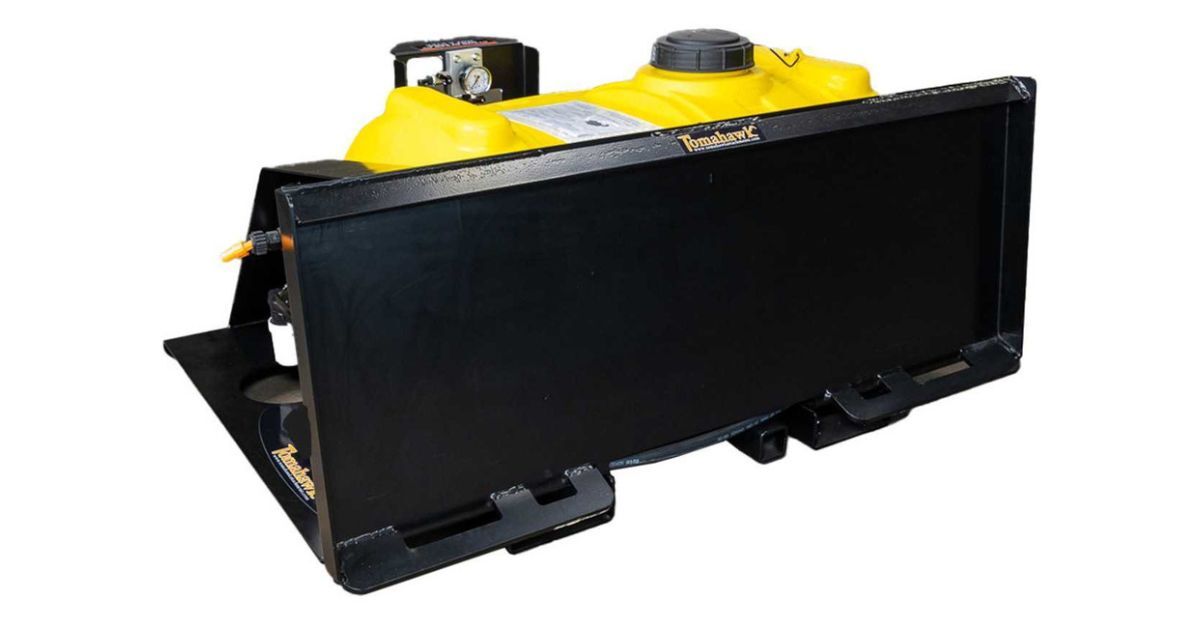
Tomahawk Attachments offers sprayers for skid steers designed to improve workflow and help operators quickly tackle liquid applications. Built for durability and performance, these attachments make it easier to handle demanding acreage with confidence and efficiency. Find the right option for your needs today.