
Posted by Tomahawk on Mar 17th 2026
How To Move and Stack Hay Bales With Ease
Moving hay ranks among the most common and demanding jobs on any farm or acreage. Whether you handle round bales in open fields or stack square bales inside a barn, efficiency matters every time you lift, carry, and place a load.
Understanding how to move and stack hay bales with ease allows you to protect your equipment, preserve bale quality, and reduce strain on your operation. With the right attachment, proper technique, and a clear stacking plan, you can turn a time-consuming chore into a smooth, repeatable process.
Choosing the Right Equipment for the Job
Success starts with matching your equipment to your bale type and workload. Round bales require a different approach than small square bales, and large square bales demand careful handling to maintain their shape. Using a skid steer with a properly rated lift capacity ensures safe handling and steady control, especially when lifting higher tiers inside a barn.
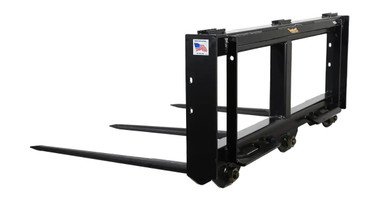
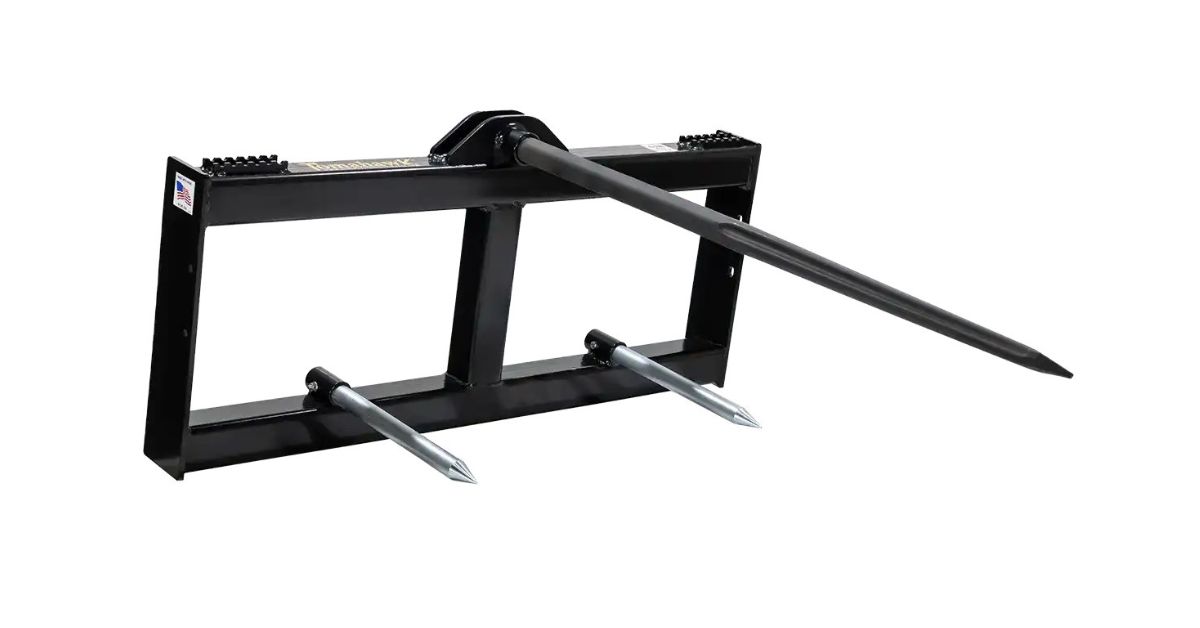
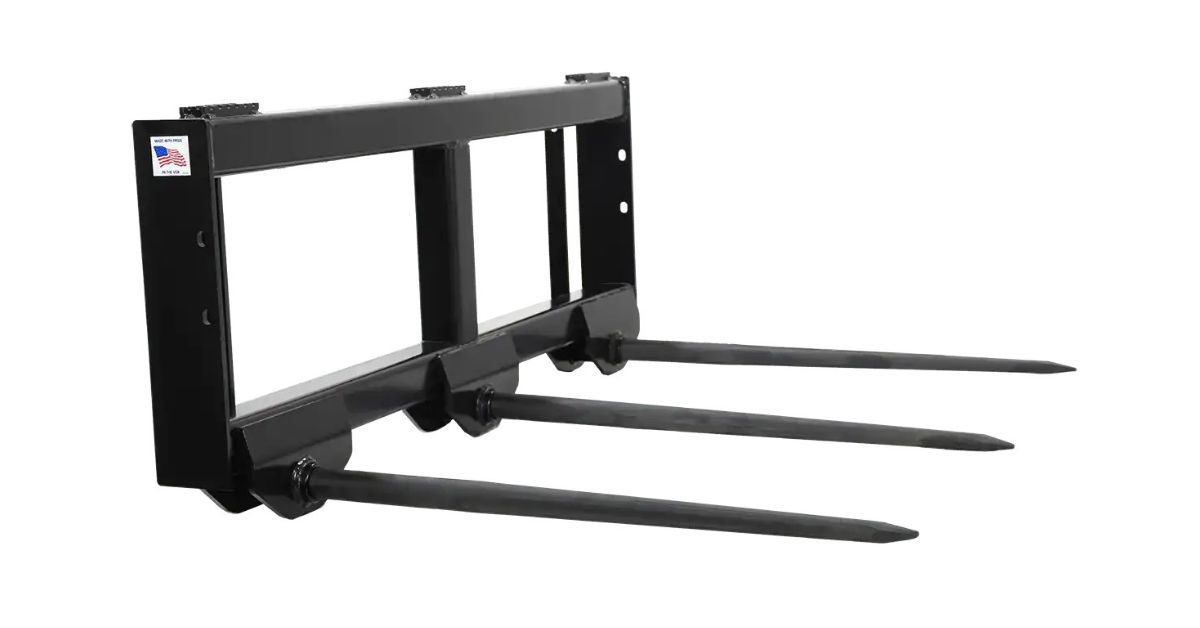
A bale spear attachment provides a direct and secure way to handle round and large square bales. The spear penetrates the bale’s core, creating a stable connection that minimizes shifting during transport. This design helps prevent bale damage while keeping the load balanced close to the machine.
Always confirm that your skid steer’s hydraulic system and operating capacity align with the weight of your typical bales. Operating within equipment limits reduces wear and improves overall jobsite safety. When your machine and attachment work together properly, you gain smoother lifts and more predictable placement.
Preparing the Work Area
Before moving any bale, evaluate your surroundings. Uneven ground, mud, or loose gravel can affect traction and machine stability. Clear debris and identify the most efficient path between the field and storage area to reduce unnecessary travel time.
If you plan to stack inside a barn or shed, measure ceiling height and doorway clearance in advance. This step prevents delays when lifting higher tiers. Planning your stack layout ahead of time helps you avoid constant rearranging, which saves both fuel and labor.
Position your skid steer on level ground before lifting. Keeping the machine steady during engagement and placement improves accuracy and reduces strain on the attachment. A stable foundation always leads to better control.
Proper Technique for Lifting Round Bales
Approach round bales slowly and align the spear with the center of the bale. Maintaining a straight entry angle allows the spear to penetrate cleanly and distribute weight evenly. Insert the spear fully to secure the load before lifting.
Once engaged, lift the bale just high enough to clear the ground. Keeping the bale positioned low to the ground enhances visibility and maintains better machine stability while transporting it. Avoid sudden turns or abrupt stops, as quick movements can shift the bale and increase wear on your equipment.
When placing the bale, lower it gradually into position. If stacking, tilt slightly forward to seat the bale securely before backing away. Smooth, deliberate movements protect the bale’s structure and maintain consistent stacking patterns.
Efficient Handling of Square Bales
Square bales require careful alignment to prevent tearing or deformation. When using a bale spear, center the spear to maintain balance and avoid uneven pressure. Proper placement keeps edges crisp and helps maintain airflow once stacked.
Transport square bales steadily and avoid dragging corners across rough surfaces. Damaged edges can compromise bale integrity and affect long-term storage. Maintaining steady, deliberate movements helps prevent the load from shifting as you lift it into higher stacking positions.
When stacking, alternate direction with each layer to create a stable interlocking pattern. This approach prevents leaning and supports consistent weight distribution. Even stacks reduce collapse risks and make future unloading easier.
Smart Stacking Strategies for Stability
Stacking hay properly protects your investment and improves long-term storage conditions. Begin with a level base and ensure the first row sits evenly. A stable foundation determines the integrity of the entire stack.
For round bales stored outdoors, consider a pyramid-style configuration with a wider base. This setup increases stability and sheds moisture more effectively. Inside a barn, align rows tightly to reduce gaps and maximize space.
Avoid stacking higher than your equipment can safely manage. Working within comfortable lift limits keeps the process efficient and reduces the risk of tipping. Consistency in placement ensures each bale supports the next without unnecessary stress.
Reducing Bale Damage During Transport
Hay represents both time and money, so minimizing damage matters. Spearing the bale cleanly and avoiding multiple punctures helps preserve structural integrity. Repeated penetration weakens bale density and can affect feeding efficiency later.
Travel at moderate speeds and remain mindful of terrain changes. Sudden dips or bumps can shift weight unexpectedly. Keeping the bale low and centered improves machine control and limits stress on your skid steer arms.
Store bales in dry, well-ventilated areas whenever possible. Proper storage reduces spoilage and extends usability. Careful handling combined with thoughtful placement ensures long-term quality.
Improving Workflow and Saving Time
Efficiency depends on repetition and planning. Organize your workflow so you minimize travel distance between pickup and stacking locations. Group tasks by field or storage zone to reduce unnecessary machine movement.
Consider staging areas if transporting bales from distant fields. Consolidating loads into a central area before final stacking can streamline larger jobs. Thoughtful logistics reduce fuel consumption and operator fatigue.
Keep your attachment properly maintained to avoid downtime. Inspect the spear for straightness and check mounting points regularly. Routine maintenance prevents interruptions during peak harvest periods.
Safety Considerations for Every Lift
Safety remains essential when handling heavy loads. Always keep bystanders clear of the work zone. A bale shifting unexpectedly can create serious hazards.
Operate with steady throttle control and avoid overextending your lift arms. Keeping loads balanced reduces tipping risk. Wearing proper safety gear and staying alert ensures consistent, safe operation.
Never attempt to stack beyond your visibility range. If needed, reposition your machine to maintain a clear view. Maintaining awareness of surroundings prevents accidents and improves placement accuracy.
Maximizing Space in Storage Areas
Space management becomes increasingly important as bale counts rise. Arrange stacks in straight, uniform rows to maintain walkways and ventilation channels. Consistent alignment improves airflow and reduces moisture buildup.
Inside barns, stack up to safe height limits while maintaining access lanes. Leave room for future additions or seasonal adjustments. Planning ahead prevents overcrowding and makes retrieval simpler during feeding time.
Outdoor stacks benefit from slight elevation to prevent ground moisture from seeping into lower bales. Simple measures like gravel pads or pallets can enhance long-term preservation.
Work Smarter With the Right Tools
Learning how to move and stack hay bales with ease transforms a labor-intensive task into a streamlined operation. With proper equipment selection, careful technique, and thoughtful stacking strategies, you can protect your hay, extend equipment life, and reduce daily strain on your operation.
Tomahawk Attachments offers skid steer bale spears designed to increase efficiency and prevent disruptions during busy seasons. With durable construction and dependable performance, our attachments help you handle hay confidently and keep your workflow moving without delay. Find the right option for your needs today.