
Dec 12th 2025
How To Choose the Right Attachment for Your Dingo Skid Steer
Dingo skid steers pack immense power into a small frame, allowing operators to access tight backyards and navigate narrow fence gates that larger skid steers simply cannot reach. However, the machine itself is only half of the equation. The true versatility of a Dingo lies in the tools you connect to the front loader arms.
With the correct implement, your Dingo transforms from a simple bucket loader into a trencher, a post-hole digger, a soil cultivator, or a snow plow. The market offers dozens of options, and selecting the wrong one can lead to poor performance, hydraulic overheating, or safety hazards on the job site. You need a tool that matches both the physical capabilities of your machine and the specific demands of your project. Here’s how to choose the right attachment for your Dingo skid steer.
Assess the Job Site Terrain
The environment where you work dictates the type of equipment you need. Soft, muddy ground requires lighter attachments to prevent the machine from sinking or creating deep ruts. Conversely, rocky or paved surfaces allow for heavier, more robust tools.
You must also consider the spatial constraints of your typical job site. If you frequently work in residential backyards with narrow gates, the width of the attachment becomes a critical factor. A standard bucket might fit through a 36-inch opening, but a wide grapple rake might not. Measure the narrowest points of your work areas before you buy. Furthermore, consider overhead clearance. Some attachments, such as tall auger drives or tree forks, add significant height to the machine, which impacts how you navigate under trees or overhangs.
Identify the Primary Application Needs
Versatility is a benefit, but specialization often drives efficiency. Define exactly what you need the tool to do. Be specific about your tasks. Buying a "do-it-all" tool often means it does nothing particularly well. Match the specific design features of the attachment to your most frequent tasks.
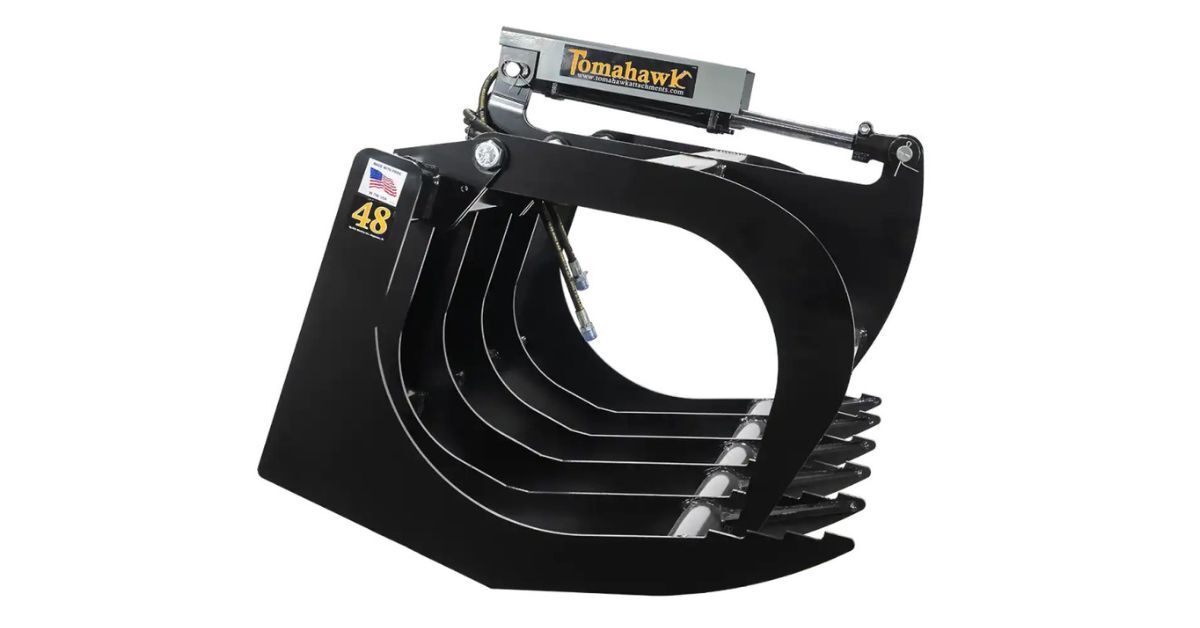
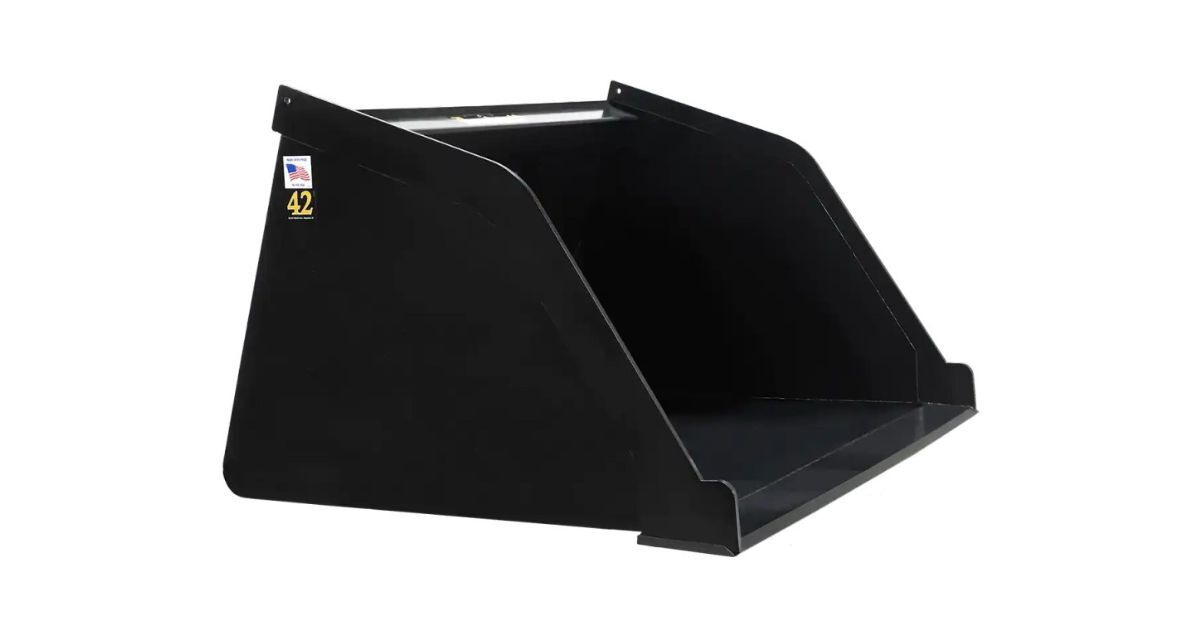
If you often move loose mulch and soil, a high-volume light material bucket serves you better than a heavy-duty dirt bucket. The added weight of a heavy-duty bucket reduces the amount of material you can carry in the load, slowing down your cycle times. For demolition crews, a grapple bucket, with its ability to clamp down on concrete chunks or logs, provides the security needed for safe transport.
Check Hydraulic Flow Compatibility
Understanding how to choose the right attachment for your Dingo skid steer starts with analyzing your hydraulic capabilities. Every compact utility loader produces a specific hydraulic flow rate, measured in gallons per minute (GPM), and pressure, measured in pounds per square inch (PSI).
Attachments fall into two main categories: low-flow and high-flow. A standard bucket or pallet fork relies on the machine's lift arms and requires no auxiliary hydraulic flow. However, active tools such as trenchers, augers, and stump grinders rely on the machine's hydraulic pump to spin motors or drive cylinders. If you attach a high-flow stump grinder to a standard-flow Dingo, the tool will stall, lack torque, and likely overheat your hydraulic fluid. Always verify your machine’s GPM rating matches the operating range of the attachment.
Verify the Attachment Weight Limit
Every Dingo model has a rated operating capacity (ROC). This number indicates the maximum weight the machine can lift safely without tipping forward. The weight of the attachment itself eats into this capacity. A heavy, over-engineered attachment leaves you with very little capacity for the actual cargo.
For example, if your machine has an ROC of 500 pounds and you attach a 300 pound grapple, you can only safely lift 200 pounds of material. This severely limits productivity. You must find a balance between structural durability and weight. Look for attachments constructed from high-strength steel, which offers durability without excessive bulk.
Consider the Material You Move
The density of the material you handle influences the design of the attachment you should select. Wet concrete is incredibly heavy and dense, requiring a smaller, reinforced bucket to keep the load within safe limits. Dry mulch or snow is light and airy, allowing for much larger capacity buckets to maximize efficiency per trip.
Handling abrasive materials, such as rock or demolition scrap, requires attachments made with wear bars and reinforced cutting edges. Standard steel wears down quickly under these conditions. If you work with corrosive materials, such as salt or fertilizer, the finish of the attachment matters just as much as the steel. High-quality powder coating protects the metal from rust and corrosion better than standard paint, extending the life of the tool.
Evaluate the Mounting Plate Style
Not all mini skid steers use the same mounting system. You must ensure the attachment physically fits your specific loader arms. An incompatible mount creates a safety risk. Even if you manage to force the pins to lock, an ill-fitting plate causes wobbling and stress on the loader arms. Check the spacing of the locking pins and the angle of the mounting plate. Many manufacturers offer dedicated plates for Toro Dingo style mounts, but you must verify this specification before purchase to avoid expensive modifications or returns.
Prioritize Durability and Build Quality
Inspect the construction quality of any attachment you consider. Look for continuous welds rather than skip welds. Continuous welds provide superior structural integrity and prevent moisture from entering joints, which causes rust from the inside out.
Pay attention to the steel gauge. Thicker steel resists denting and warping when you hit hidden rocks or curbs. High-wear areas, such as the cutting edge of a bucket or the tines of a fork, should feature replaceable parts or hardened steel components. A cheaper attachment often lacks these reinforcements, leading to early failure and replacement costs that exceed the price of the premium tool.
Review Maintenance Requirements
Complexity increases maintenance. A simple bucket requires very little care other than cleaning. However, a hydraulic breaker or a snow blower contains moving parts, hoses, and grease fittings that need regular attention. Before you buy, review the maintenance schedule for the attachment. You want a tool that keeps you working, not one that keeps you in the shop. Easy access to maintenance points ensures your crew actually performs the maintenance, prolonging the life of the asset.
Think About Versatility and Multipurpose Use
Some attachments offer multiple functions in a single package. A 4-in-1 bucket, for instance, acts as a bucket, a blade, a grapple, and a spreader. For a contractor with limited trailer space, one versatile tool solves several problems at once.
While a multipurpose tool might not perform a specific task as fast as a dedicated tool, the time you save by not switching attachments often makes up for the difference. Evaluate if a multi-functional attachment can replace two or three single-purpose tools in your arsenal. This approach saves money on the initial purchase and reduces the storage space required in your shop or trailer.
Factor in Seasonal Requirements
Your business demands likely change with the seasons. A landscaper needs soil cultivators in the spring but might shift to snow removal in the winter. Buying attachments that serve off-season needs helps you generate revenue year-round.
When selecting winter attachments, look for specialized features. Snow buckets often have high backs to prevent snow from spilling over onto the operator. Salt spreaders need specialized motors that resist corrosion. By planning for the entire calendar year, you maximize the utilization rate of your Dingo, ensuring the machine generates profit in December just as it does in June.
Calculate Return on Investment
Price is always a factor, but value matters more. A cheap attachment that breaks after three months costs more than a quality tool that lasts five years. Calculate the potential ROI by estimating how often you will use the tool.
If you only need a post-hole digger twice a year, renting makes more financial sense. However, if you dig fences every week, the purchase pays for itself quickly. Factor in the time saved, the labor reduced, and the rental fees avoided. A clear financial picture helps you justify the upfront cost of high-quality equipment.
Equip Your Machine for Success
The Dingo skid steer is a force multiplier for any crew, but it requires the right attachment to be effective. By carefully evaluating your hydraulic capacity, lift limits, and job site terrain, you’ll be able to choose equipment that contributes to safe and efficient operations.
When you’re ready to upgrade your fleet's capabilities, look for tools built to withstand the demands of commercial work. Browse our extensive inventory of Toro Dingo accessories and find the high-performance attachments your project requirements.