

Jan 14th 2026
Hay Spears That Simplify Feeding Livestock on Acreage
Feeding livestock efficiently is one of the most critical tasks for any farm or ranch owner, often determining the flow of the entire day. The sheer weight and bulk of hay bales make manual handling impossible, which means your equipment must perform flawlessly to keep your operation moving.
A skid steer loader offers incredible versatility, but it only reaches its full potential when paired with the correct attachment for the job at hand. You need tools that reduce physical strain and cut down on the time spent transporting feed across your property. Implementing high-quality hay spears that simplify feeding livestock on acreage transforms a grueling chore into a manageable, streamlined process. This allows you to focus your energy on the health and wellbeing of your herd.
The Basics of Hay Spears
Understanding the fundamental mechanics of hay spears helps you appreciate their role in daily farm life. These attachments appear deceptively simple, yet they endure immense stress and pressure during use.
What Is a Hay Spear?
A hay spear consists of a heavy-duty steel frame featuring one or more pointed metal tines designed to pierce and lift hay bales. The primary tine, often referred to as the main spear, supports most of the weight. Manufacturers typically forge these tines from high-strength alloy steel to prevent bending or snapping under heavy loads.
Unlike forks or buckets that lift from the bottom, a spear penetrates the center of the bale, securing it during transport. This design provides superior stability, especially when moving round bales over uneven terrain. The attachment plate connects directly to the skid steer, transferring the machine's hydraulic power into lifting force.
Different Types of Hay Spears
Farmers utilize various spear configurations depending on the type of bales they handle most frequently. A single-spear design usually features one long central tine and two shorter stabilizer tines at the bottom. This setup works exceptionally well for round bales, as the center spike supports the weight while the smaller spikes prevent the bale from spinning during transit.
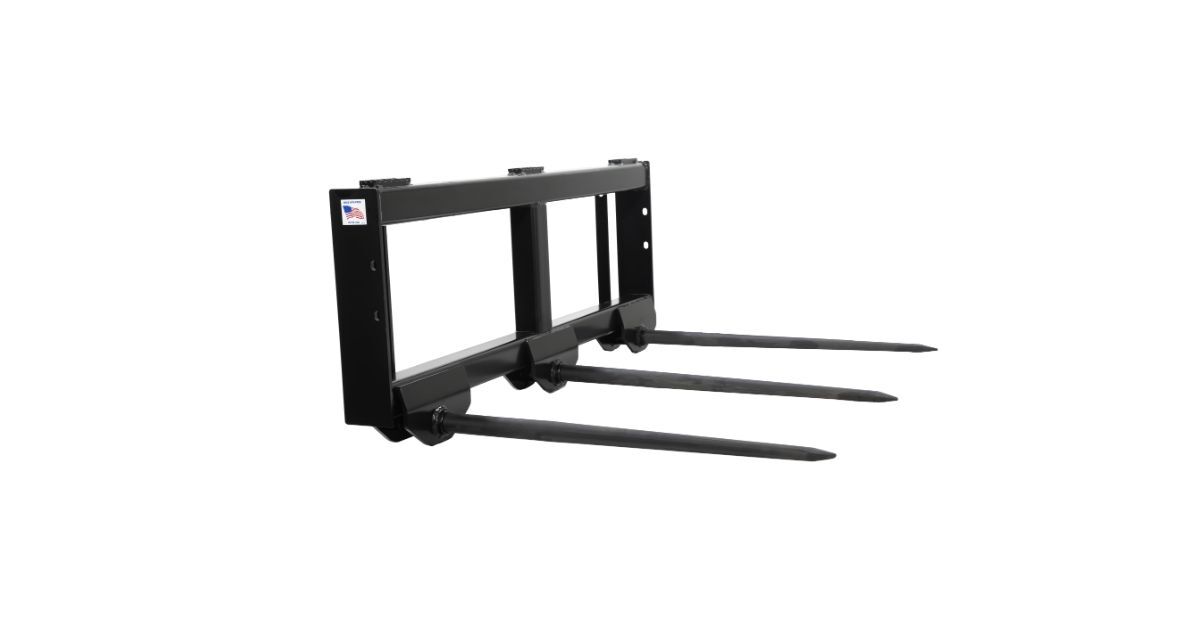
Double-spear attachments feature two long tines positioned horizontally. This configuration suits large square bales better, as it distributes the weight across a wider area and prevents the bale from sagging or breaking apart. Some specialized designs offer adjustable tines, allowing operators to switch between round and square bales without changing attachments, adding a layer of versatility to the equipment lineup.
Choosing the Right Hay Spear
Selecting the correct attachment involves more than just picking the first option you see. The compatibility between your machine, your feed type, and the attachment determines your operational efficiency.
Size and Capacity
The length of the spear must correspond to the size of the bales you move. A spear that is too short may not penetrate deep enough to support the bale safely, increasing the risk of the load falling off during transport. Conversely, a spear that is overly long might protrude out the back of the bale, creating a significant safety hazard for animals, fences, or barn walls behind the stack.
Weight capacity is another non-negotiable factor. You must check the load rating of the spear against the heaviest bales you produce or purchase. Overloading a spear causes the metal to fatigue over time, leading to sudden failure that could damage your machine or injure bystanders.
Mounting Options
Your skid steer utilizes a specific mounting interface, and your new hay spear must match perfectly. Most modern equipment uses a standard mounting system that allows operators to switch between buckets, forks, and spears in seconds by flipping two locking levers.
However, older machines or specific brands might use proprietary mounting styles. Verifying the mount type before purchase saves the headache of returning incompatible equipment. A proper fit ensures the attachment sits flush against the loader arms, maximizing lift capacity and operator control.
Durability and Material
The quality of steel used in the construction of the spear dictates its lifespan. Forged steel tines offer superior strength compared to cold-rolled steel because the forging process aligns the grain of the metal, making it more resistant to bending and breaking.
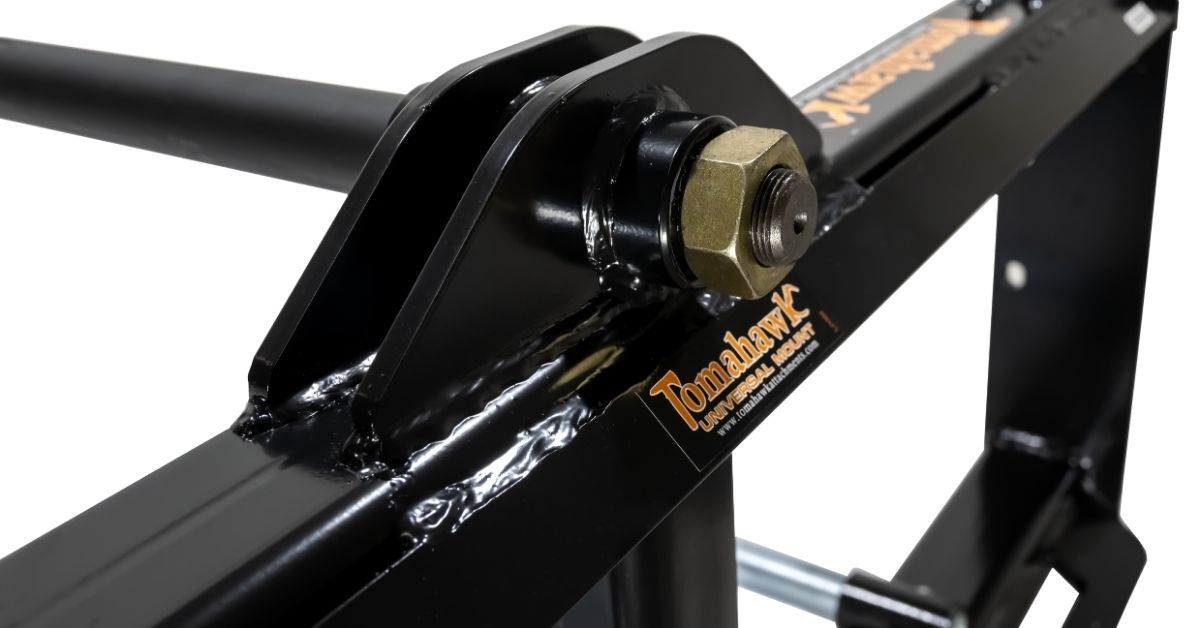
You should also examine the frame construction. A fully welded, heavy-gauge steel frame resists the twisting forces applied when turning the skid steer with a heavy load. Some models feature bolt-on spears, which allow you to replace a damaged tine without scrapping the entire attachment. This feature significantly extends the usable life of the implement and reduces long-term maintenance costs.
Using Hay Spears Safely and Effectively
Operating heavy machinery carries inherent risks, especially when handling large and unstable loads of hay. Because of these dangers, it is essential to follow specific safety protocols to protect yourself and others.
Proper Mounting
Safety begins before you even start the engine. When attaching the hay spear, ensure the skid steer's locking pins fully engage the attachment plate. Dirt, ice, or debris can sometimes prevent the pins from seating correctly. Visually inspect the connection every time you switch attachments.
Failure to lock the spear could cause the entire unit to detach when you lift a load, potentially crushing anything underneath. Once attached, verify that the hydraulic lines (if applicable for specialized grabs) connect securely and show no signs of leaks.
Safe Operating Procedures
Transporting bales changes the center of gravity of your skid steer. You must keep the load as low as possible while moving. Carrying a heavy bale high in the air significantly raises the tipping risk, especially on slopes or rough ground. Only raise the loader arms when you are ready to stack the bale.
Visibility often becomes an issue when moving large round bales, as they can block your view directly in front of the machine. Operators should drive in reverse if the load obstructs forward vision or utilize a spotter in tight areas. Furthermore, never allow anyone to stand near or under the raised spear, even if it is empty. Hydraulic failure can happen instantly, dropping the arms without warning.
Improve Your Farm's Efficiency With Tomahawk
The daily demands of farm life require equipment that works as hard as you do. Choosing the right tools impacts your schedule and the safety and success of your operation. At Tomahawk Attachments, we understand these challenges and engineer our equipment to withstand the rigorous conditions of modern farming.
Our lineup features durable steel hay spears designed for maximum longevity and reliability. Whether you handle round or square bales, we offer configurations that integrate seamlessly with your existing machinery. By investing in Tomahawk's hay spears that simplify feeding livestock on acreage, you ensure that your feeding routine remains efficient, safe, and uninterrupted, season after season. Check out our options to simplify your farming operations today.