
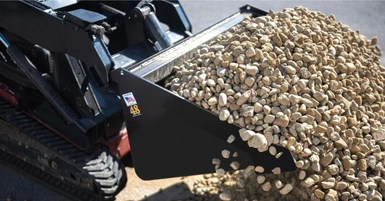
Posted by Tomahawk on Mar 9th 2026
Choosing the Right Rock Bucket for Your Property Size
Clearing rocks, separating soil, and preparing land for landscaping or construction requires the right attachment for the job. When it comes to choosing the right rock bucket for your property size, you need to think beyond simple width measurements. Property size, terrain, soil conditions, and skid steer capacity all work together to determine what will perform best. The right rock bucket saves time, reduces wear on your machine, and delivers cleaner results in fewer passes.
What Is a Skid Steer Rock Bucket?
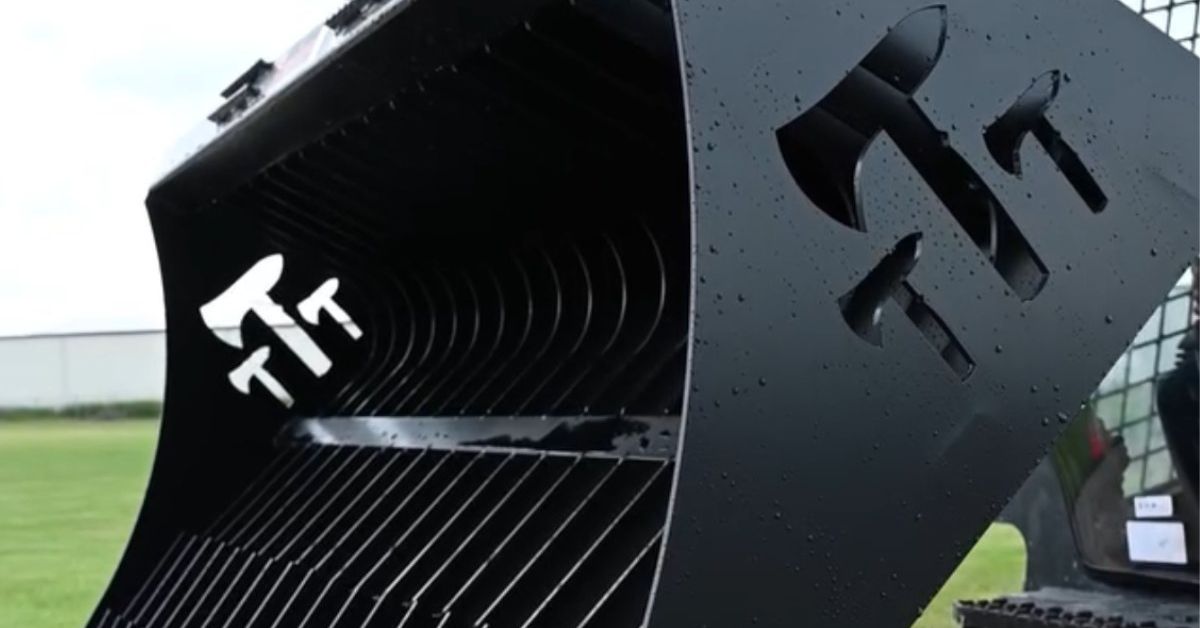
A rock bucket separates larger debris from soil while allowing finer material to fall through the tines. This design makes it ideal for site preparation, landscaping projects, driveway repair, pasture maintenance, and construction cleanup. Instead of hauling mixed material away, you can screen and sort it directly on site.
The open tine construction also helps break up compacted ground and remove roots. When you choose the correct size and spacing for your property, you improve efficiency and reduce the number of passes required to clear an area.
Matching Bucket Width to Property Size
Property size directly impacts bucket width selection. Smaller properties benefit from maneuverability and precision, while larger properties demand coverage and efficiency.
On residential lots or properties under a few acres, a moderate-width rock bucket allows you to work around fences, landscaping features, and structures without constant repositioning. A bucket that is too wide in tight spaces slows progress and limits control.
For larger properties, wider buckets help you clear more ground in each pass. This reduces overall project time and minimizes fuel usage. However, your skid steer must have the lift capacity and stability to safely operate a wider attachment.
The key is balancing coverage with control. The right width matches both your acreage and your machine’s capabilities.
Considering Soil Conditions and Rock Density
Soil type and rock density can influence your decision just as much as property size. Some properties have loose surface stone that separates easily. Others contain dense clay, embedded rocks, and root systems that require a more robust bucket.
If your land features compacted or rocky soil, you need a rock bucket built with strong tines and durable construction. Reinforced materials handle prying, lifting, and repeated impact without bending.
Tine spacing also plays a role. Proper spacing allows soil to fall through efficiently while retaining larger debris. If spacing is too wide, smaller rocks remain behind. If it is too narrow, screening slows down. Matching tine spacing to your material improves overall productivity.
Evaluating Your Skid Steer’s Capacity
Your skid steer’s rated operating capacity should always guide your attachment choice. A wider or heavier bucket may seem appealing for large properties, but overloading your machine reduces stability and increases wear.
Check lift capacity, operating weight, and hydraulic performance before deciding. A properly matched rock bucket allows your skid steer to operate smoothly, even when lifting full loads of stone.
Weight matters as much as width. Heavier construction provides strength, but it also reduces how much material you can safely lift. Choose a bucket that balances durability with practical lifting limits.
Small Property Applications
Homeowners and weekend property managers often use rock buckets for driveway maintenance, yard cleanup, and light landscaping. On smaller properties, maneuverability and precision are priorities.
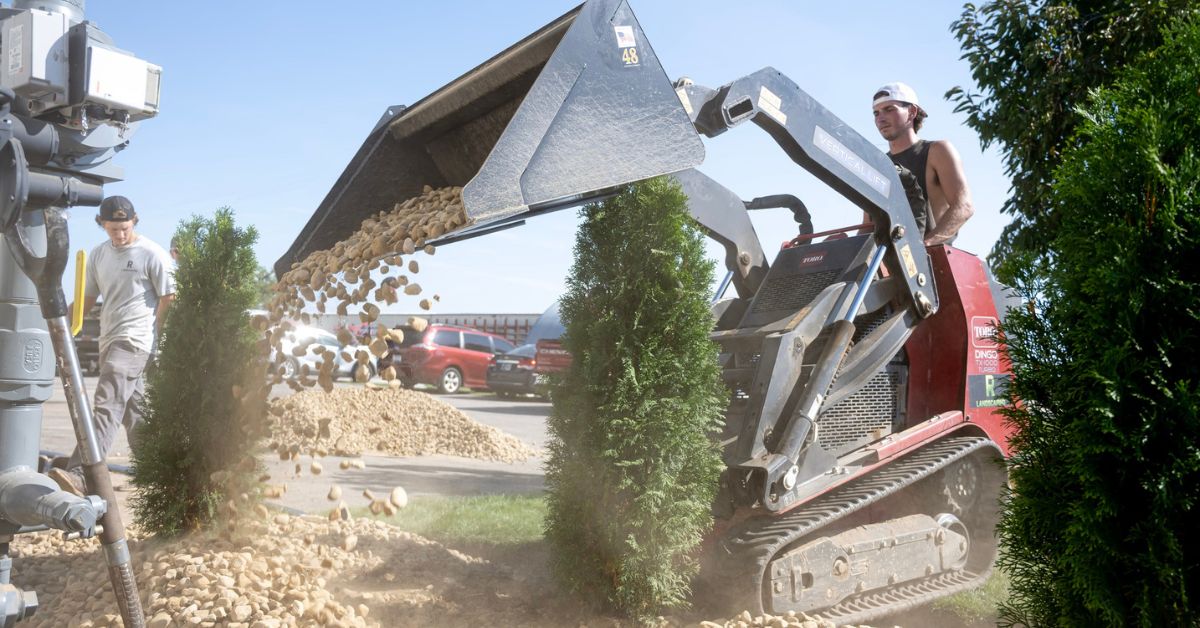
A moderately sized rock bucket offers better control in tight spaces. It allows you to work around trees, garden beds, and structures without unnecessary repositioning. Smaller buckets also pair well with compact skid steers or mini skid steers commonly used on residential properties. With the right bucket, you can separate rocks from soil quickly and reduce the need for manual labor.
Medium-Sized Properties and Mixed Use
Properties with several acres often require ongoing maintenance. You may clear pastureland, maintain gravel drives, or prepare soil for planting. In these situations, efficiency becomes more important.
A slightly wider rock bucket increases coverage while maintaining reasonable maneuverability. You can work efficiently in open areas and still navigate around buildings or fencing when needed.
Durability becomes more important as frequency of use increases. A utility-grade bucket built from quality materials ensures long-term reliability across repeated projects.
Large Acreage and Commercial Demands
Large properties and commercial jobs demand maximum productivity. Farms, municipalities, and contractors often manage extensive areas where time directly impacts costs.
A wider rock bucket allows you to cover more ground in fewer passes. Over time, this improves efficiency and reduces operator fatigue. However, your skid steer must support the additional width and weight.
Strength and durability are critical for continuous use. A well-built rock bucket withstands heavy loads, rough terrain, and repeated impact without sacrificing performance. Matching bucket size to property scale ensures steady output without unnecessary downtime.
Frequency of Use Matters
How often you use your rock bucket should influence your decision. Occasional seasonal cleanup requires different durability than weekly land management.
If you regularly clear debris or prepare soil, invest in a rock bucket designed for consistent performance. Repeated stress demands solid construction and reliable welds. Choosing a bucket that aligns with both property size and workload frequency protects your equipment and supports long-term efficiency.
Terrain and Maneuverability Considerations
Terrain plays a significant role in attachment selection. Sloped or uneven ground requires careful control and balance. An oversized bucket may feel unstable in challenging terrain.
In wooded or confined spaces, moderate width improves flexibility. Open fields, on the other hand, allow you to take full advantage of a wider attachment. Always consider how your property layout affects maneuverability before selecting a bucket size.
Making the Right Choice
Choosing the right rock bucket for your property size means evaluating acreage, soil conditions, terrain, machine capacity, and workload together. A properly matched attachment increases productivity, improves safety, and reduces long-term wear on your skid steer. Whether you maintain a small residential lot or manage extensive acreage, the right rock bucket turns demanding land clearing into a streamlined process.
Tomahawk Attachments offers skid steer rock buckets designed to streamline tough tasks, saving you time on large and small jobs alike. Built for durability and dependable performance, these attachments help you clear, separate, and prepare your property efficiently so you can get more done with every pass.