
Nov 25th 2025
10 Best Rock Bucket Tips for Homeowners With Acreage
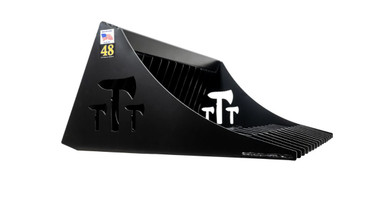
Managing acreage comes with a unique set of challenges, and clearing rocks is often at the top of the list. A property dotted with stones, boulders, and debris can hinder landscaping projects, damage equipment, and make land unusable. A rock bucket attachment transforms your skid steer into a powerful tool for this task, allowing you to efficiently clear, sort, and move rocks.
Using this attachment effectively requires more than just connecting it to your machine. Understanding the right techniques will save you time, reduce wear on your equipment, and deliver better results. Learning how to operate your rock bucket correctly will enable you to tackle even the most stubborn terrain.
This article provides practical advice for using your rock bucket. From choosing the right attachment to mastering specific operational techniques, these tips will help you manage your property more effectively. You will learn how to clear land efficiently, protect your investment, and get the most out of your equipment.
1. Select the Correct Rock Bucket Size for Your Skid Steer
Matching the rock bucket to your skid steer’s capacity is crucial for safe and efficient operation. An oversized bucket can overload your machine's hydraulic system and lift capacity, leading to tipping hazards and potential damage. A bucket that is too small reduces productivity, forcing you to make more trips than necessary.
Consult your skid steer’s owner’s manual to find its rated operating capacity (ROC). Choose a rock bucket with a weight and volume that fall comfortably within this limit. Manufacturers provide detailed specifications for their attachments, including recommended machine size, so you can make an informed decision.
2. Understand Tine Spacing for Your Soil Type
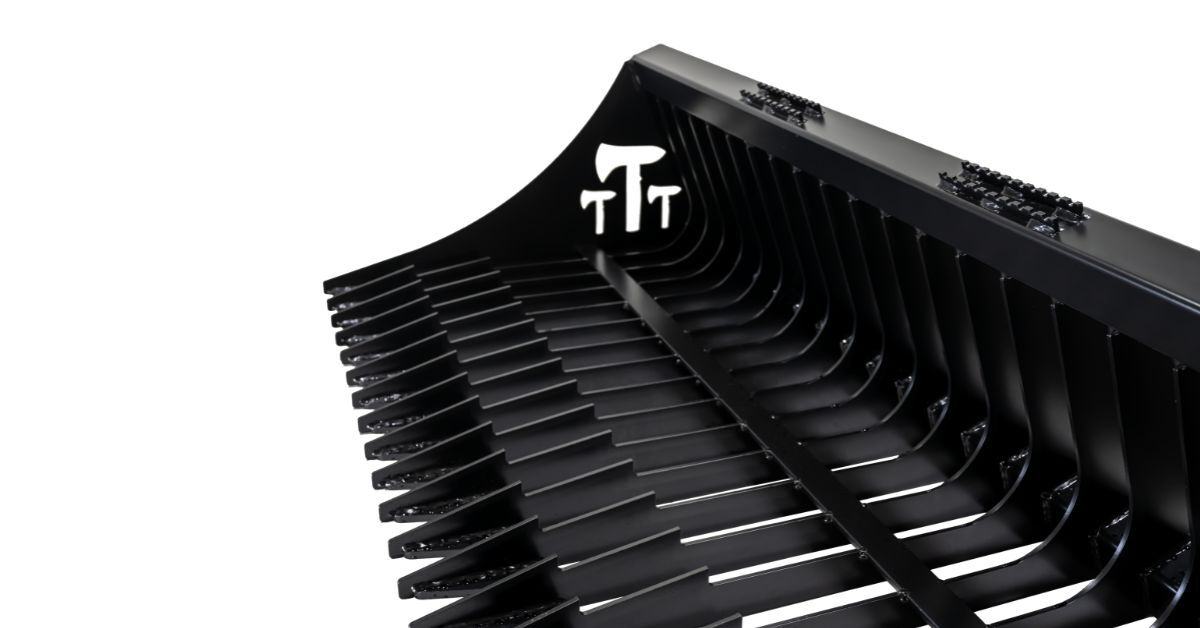
Rock buckets feature tines, which are the steel bars that form the bottom and back of the bucket. The spacing between these tines determines what materials the bucket collects and what it leaves behind. For homeowners with acreage, selecting the appropriate tine spacing is one of the best rock bucket tips to follow.
Standard tine spacing, typically around 3 inches, works well for collecting medium-to-large rocks while allowing soil and smaller debris to fall through. If your land has smaller rocks or you need to sift finer material, a bucket with narrower 2-inch spacing might be more effective. Conversely, wider spacing is suitable for clearing large boulders and construction debris without picking up excess dirt.
3. Clear Surface-Level Rocks Before Digging
Start your land-clearing project by addressing the rocks and debris visible on the surface. This initial pass allows you to clear the most obvious obstacles quickly and provides a clearer view of the terrain. Trying to dig into the ground immediately can put unnecessary strain on your equipment if large rocks are just below the surface.
Keep the rock bucket low to the ground and move forward at a steady, controlled speed. Tilt the bucket slightly forward to allow the cutting edge to scrape along the surface, scooping up loose rocks as you go. This method is efficient and reduces the risk of hitting a large, buried object unexpectedly.
4. Use the Right Technique for Dislodging Buried Rocks
When you encounter rocks that are partially or fully buried in the soil, you need a different approach. Simply trying to force the bucket under the rock can damage the tines or your skid steer. Instead, use the bucket's design to your advantage.
Position the front cutting edge of the bucket against the base of the rock and apply gentle, downward pressure while slowly tilting the bucket forward. This action uses the machine’s hydraulic power to pry the rock loose from the ground. For larger, more stubborn rocks, you may need to repeat this process from different angles to gradually work it free before scooping it up.
5. Sift and Sort Materials Directly in the Field
One of the greatest advantages of a rock bucket is its ability to sift materials on-site. After scooping a load of rock and soil, you can separate them without moving to a different location. This saves time and fuel, making your entire operation more efficient.
To sift your load, raise the bucket and gently tilt it back and forth. The rocking motion allows loose soil, sand, and small debris to fall through the tines, leaving only the larger rocks inside. This technique is especially useful for creating cleaner piles of topsoil or fill dirt that you can reuse elsewhere on your property.
6. Avoid Overloading the Bucket
It can be tempting to fill the rock bucket to its maximum capacity on every pass to finish the job faster. However, overloading the bucket is counterproductive and dangerous. An overloaded bucket makes the skid steer unstable, particularly when turning or driving on uneven ground. It also puts excessive stress on the machine’s lift arms and hydraulic system.
Pay attention to your skid steer’s performance. If the front wheels lift off the ground or the machine struggles to lift the load, you are likely carrying too much weight. Work with partial loads that your machine can handle smoothly. This approach improves safety and extends the life of your equipment.
7. Maintain a Slow and Steady Operating Speed
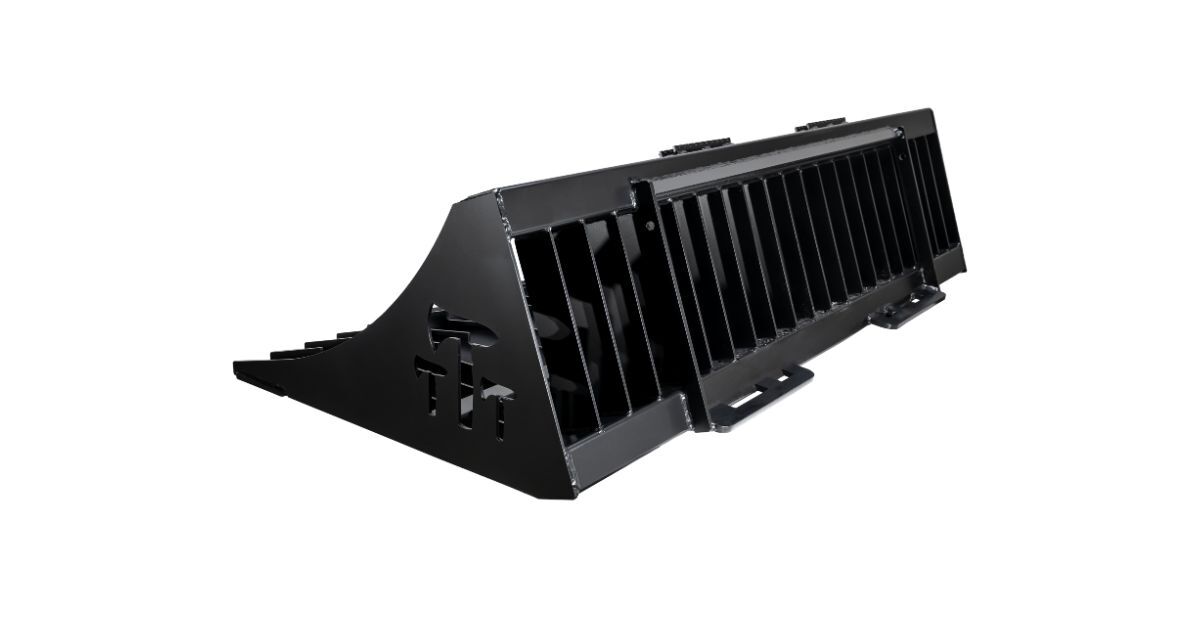
Operating your skid steer at a high speed while using a rock bucket increases the risk of accidents and equipment damage. Moving too quickly over rough terrain can cause you to hit buried obstacles with excessive force, potentially bending tines or damaging the lift arms.
A slow, deliberate pace gives you more control and allows you to react to the terrain as you work. You can better see and avoid potential hazards, and the machine will operate more smoothly. Efficiency comes from consistent, controlled work, not from speed. These operational details are among the most important rock bucket tips for homeowners with acreage.
8. Use the Bucket for More Than Just Rocks
A rock bucket is a versatile attachment that can handle various tasks around your property. Its robust design makes it ideal for more than just clearing stones. You can use it for:
- Clearing Brush and Roots: The strong tines can rip through thick brush and pull up shallow root systems.
- Moving Logs and Firewood: Easily scoop, transport, and pile logs or split firewood.
- Demolition Cleanup: Use it to pick up and sort concrete, brick, and other debris from small demolition projects.
- Grading and Leveling: While not as precise as a grading blade, a rock bucket can perform rough grading on loose soil and gravel.
9. Inspect Your Attachment Before Each Use
Before you start work, perform a quick visual inspection of your rock bucket. Check for any signs of damage, such as bent or cracked tines, broken welds, or excessive wear on the cutting edge. Debris can get lodged between tines, so make sure they are clear before you begin.
A damaged attachment can fail during operation, posing a safety risk and potentially causing further damage to your skid steer. Identifying and addressing minor issues early prevents them from becoming major problems. Regular inspections are a simple habit that protects your investment.
10. Perform Regular Maintenance on the Bucket
Like any piece of heavy equipment, your rock bucket requires regular maintenance to perform at its best. After each use, clean the bucket thoroughly to remove dirt, mud, and debris. This prevents rust and allows you to spot any hidden damage.
Check all connection points, pins, and hydraulic fittings to make sure they are secure. If your bucket has replaceable teeth, inspect them for wear and replace them as needed to maintain optimal digging performance. A little preventative maintenance goes a long way in ensuring your attachment remains reliable for years to come.
Build a Better Property
Mastering the use of a rock bucket can fundamentally change how you manage your land. By applying these techniques, you can clear fields, prepare garden beds, and maintain your property with greater efficiency and safety. The key is to work smart, respect your equipment’s limits, and use the attachment’s design to your full advantage.
When you are ready to add this indispensable tool to your collection, find a high-quality rock bucket for your skid steer from Tomahawk Attachments. A well-built attachment will provide reliable performance and help you tackle any land-clearing project with confidence.